Dashi-Flavored Vegetable Puree (Carrot & Komatsuna)
Allergen Information
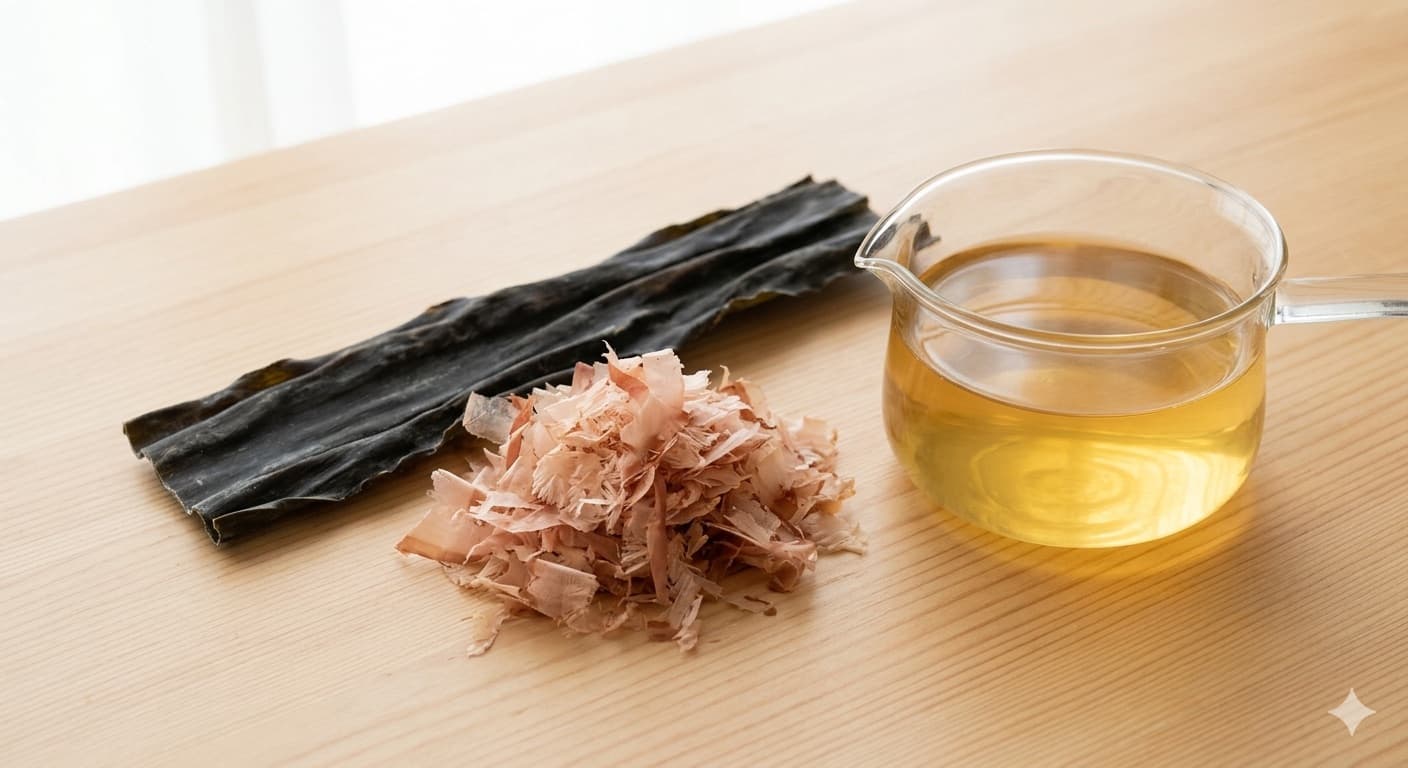
Japanese weaning philosophy emphasizes introducing vegetables early and letting babies experience natural flavors without added salt or sugar. Dashi - the foundational stock made from kombu and bonito - provides a gentle umami that makes vegetables more appealing. Japanese mothers believe that exposing babies to dashi early helps develop their palate for washoku (Japanese cuisine) later in life. This combination of sweet carrot and iron-rich komatsuna greens is one of the most popular early-stage vegetable purees in Japan.
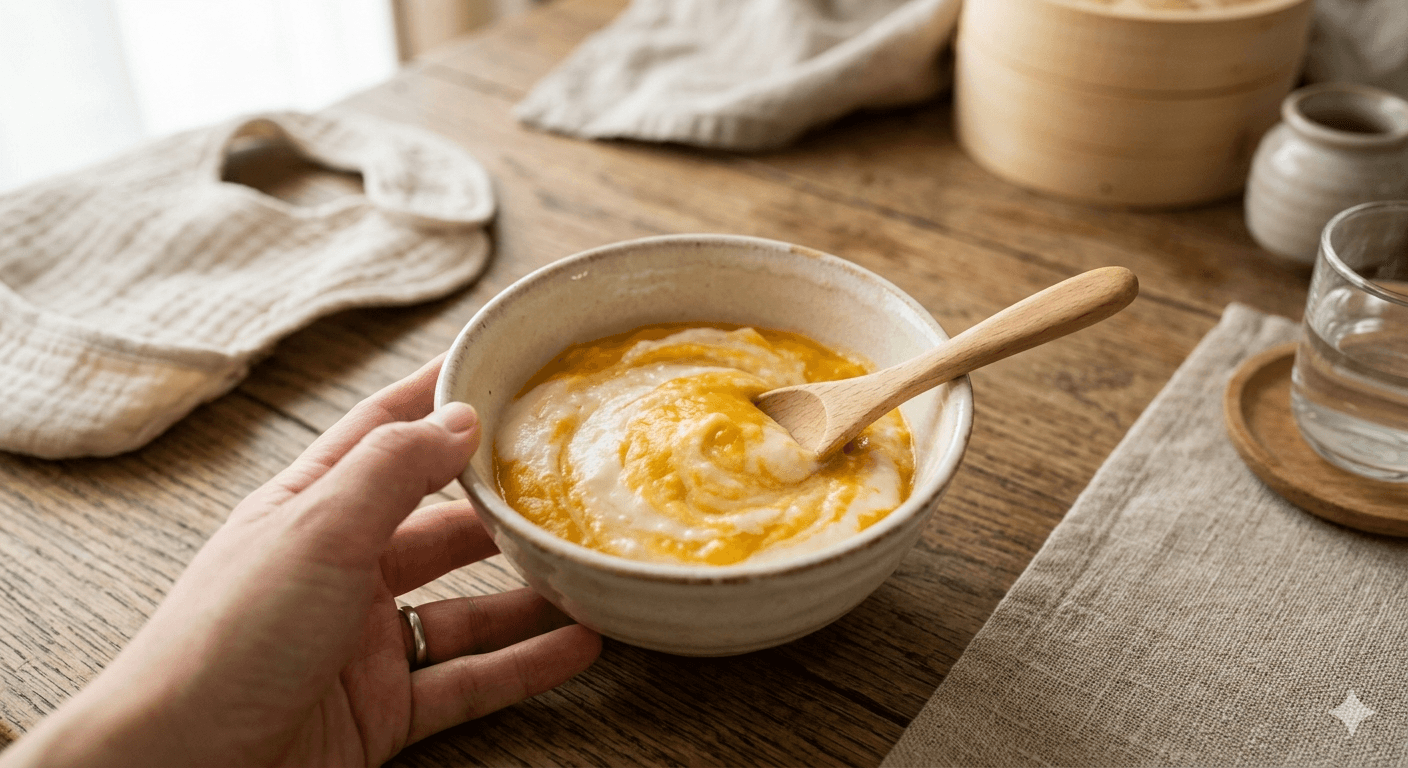
A gentle introduction to Japanese umami flavors - carrots and komatsuna greens pureed with dashi stock. This is how Japanese babies learn to love vegetables from the very beginning.
Ingredients
- 1 small carrot (about 50g), peeled and sliced
- 2-3 leaves komatsuna (Japanese mustard spinach), stems removed
- 1/2 cup (120ml) dashi stock (kombu-only for early stage, or kombu + bonito)
- Water as needed for desired consistency
Ingredient Substitutions
Can't find Japanese ingredients? Here are alternatives available at most supermarkets.
- Komatsuna → baby spinach or Swiss chard (blanch well to reduce oxalic acid)
- Dashi stock → low-sodium vegetable broth (for fish-free option)
- Carrot → sweet potato or butternut squash for a sweeter option
Instructions
- 01Boil the carrot slices in water until very soft, about 10-12 minutes.
- 02In the last 2 minutes, add the komatsuna leaves to blanch.
- 03Drain the vegetables and let cool slightly.
- 04Place vegetables in a blender or food processor with the dashi stock.
- 05Blend until completely smooth, adding water if needed to reach a thin puree consistency.
- 06Pass through a fine sieve for extra smoothness (recommended for 5-month-olds).
Tips from a Dietitian Mom
- For babies just starting solids, use kombu-only dashi (no bonito) to avoid introducing fish protein too early.
- Komatsuna is preferred over spinach in Japan for babies because it has less oxalic acid and a milder taste.
- As a dietitian, I recommend introducing one new vegetable at a time. Once each is accepted alone, you can combine them.
- The dashi adds natural umami that helps babies accept the taste of green vegetables.
Storage & Freezing
Refrigerate for up to 24 hours. Freeze in ice cube trays for up to 2 weeks. Label with date and contents. Thaw thoroughly before serving.
Master the Basics
Nutrition Facts
Per serving (approximate)
Frequently Asked Questions
- What is komatsuna and where can I find it?
- Komatsuna (Japanese mustard spinach) is a mild leafy green rich in calcium and iron. Find it at Asian grocery stores. If unavailable, baby spinach or Swiss chard are good substitutes.
- Is dashi safe for babies?
- Yes! Unsalted dashi is a wonderful natural flavor for babies. For the earliest stage (5 months), use kombu-only dashi. After 6 months, you can introduce bonito-based dashi. Always make it from scratch without added salt.
- Why do Japanese babies start with vegetables and not fruit?
- Japanese weaning guidelines suggest starting with rice porridge, then vegetables, then fruit and protein. The idea is to establish acceptance of savory and umami flavors before introducing sweeter foods.
Free Baby Food Starter Guide
Get our free PDF guide to starting solids the Japanese way, plus weekly recipes and nutrition tips for your little one.