
I Wanted to Be a Pharmacist
When I was in high school, I wanted to be a pharmacist.
Not for status or income. Simply because I wanted to help people get better. I wanted to be the person who could give people the right medicine when something went wrong in their body.
Then a teacher said something that changed everything.
“Medicine treats people after they get sick. Food can stop them from getting sick in the first place.”
I have thought about those words almost every day since.
A Different Kind of Medicine
That conversation opened something in me. I began to see food differently, not as pleasure or fuel, but as a form of intervention. A quieter one. A slower one. But perhaps, in the long run, a more powerful one.
Japan's healthcare system is under enormous pressure from lifestyle diseases: diabetes, hypertension, heart disease. These are conditions that are largely preventable. I kept asking myself the same question: where is the most effective place to intervene?
The answer I kept returning to was: childhood. More specifically, the school lunch table.
A child who grows up understanding food, who learns to eat a wide variety of things, who develops a genuine relationship with the act of nourishment, is far less likely to become a patient later in life.
So I studied nutrition science and qualified as a registered dietitian (管理栄養士) and school nutrition teacher (栄養教諭). Then I walked into an elementary school and began the work I had been thinking about since that conversation in high school.
Seven and a Half Years in a School Kitchen
I spent seven and a half years planning school lunches for hundreds of children.
Every month, I designed menus around the framework of ichiju sansai (one soup, three sides), balancing carbohydrates, protein, fat, vitamins, and minerals against the specific needs of each age group. I calculated everything. And then I made sure it actually tasted good.
The vegetables were always the hardest part. Kids resist vegetables everywhere in the world, and Japan is no exception. So I changed the seasonings. I adjusted the textures. I hid finely chopped greens inside dishes that children already loved. I watched what came back to the kitchen and quietly adjusted the next month's menu.
I learned something important in those years: nutrition knowledge and the ability to feed children well are not the same thing. One is science. The other is a practice, patient, iterative, shaped by observation and relationship.
I also learned what food education, shokuiku, can actually do. I watched children who had never eaten fish begin to eat it. I watched children who refused all vegetables gradually expand what they would try.
On curry days, the classroom was electric. On age-pan (fried bread) days, even the quietest children smiled. And every day, without fail, before anyone took a bite: 「いただきます」. After eating: 「ごちそうさまでした」. Said together. Meant.
Going to the Other Side of the World
After seven and a half years, I took a working holiday in Australia, living in Sydney, then Melbourne.
I had spent years thinking about Japanese food from the inside. Now I saw it from the outside.
People were fascinated by Japan's food culture in ways I hadn't expected. They asked about miso, about dashi, about why Japanese people were so healthy. They asked about school lunches. They asked about the ritual of itadakimasu. They wanted to understand not just the recipes, but the thinking behind them: the philosophy, the intention, the care.
And I realised: almost none of it was written down in English. Not properly. Not by someone who had actually lived it from the inside.
A New Beginning
I came back to Japan. I met my partner. And in early 2025, our daughter was born.
She is the reason this website exists.
When she turned seven and a half months old, I put a small spoon of okayu to her lips for the first time. She made the most puzzled face I had ever seen. She had never encountered anything like this. The world of food was entirely new to her.
I had spent years thinking about how to feed children. And here was my own child, looking at me with complete bewilderment, and I had no idea what I was doing.
That is the truth. Knowing about nutrition and feeding your own baby for the first time are completely different experiences. I was a first-time mother. I was confused, sometimes overwhelmed, figuring it out one spoonful at a time, exactly like any parent.
But I also had something most parents don't: years of training, a deep understanding of Japan's approach to infant feeding, and the conviction that how we begin with food matters enormously for the rest of a child's life.
I started writing it down.
Why JapanDish
Japan has one of the most thoughtful food cultures in the world. The way we feed our babies. The way we feed our children at school. The gratitude we bring to every meal. The attention to season, to balance, to the origins of what we eat.
Most of it never makes it outside Japan.
JapanDish is my attempt to change that. Not just to share recipes, but to share the thinking behind them. I want parents around the world to know that there is another way to feed a child. A quieter, more intentional way. A Japanese way.
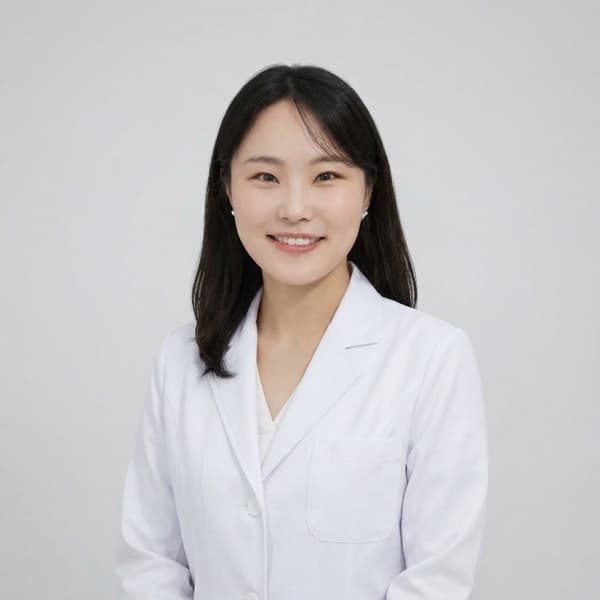
I am a registered dietitian. I am a former school nutrition teacher. I am a mother, currently introducing my daughter to the foods and flavours I believe will serve her for the rest of her life.
This is what I know. And this is where I am sharing it.
Welcome to JapanDish.
- Yumi