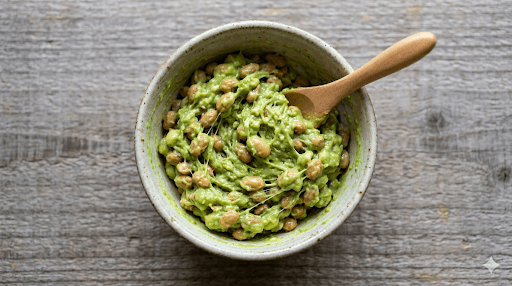
Natto and Avocado Mash
Allergen Information
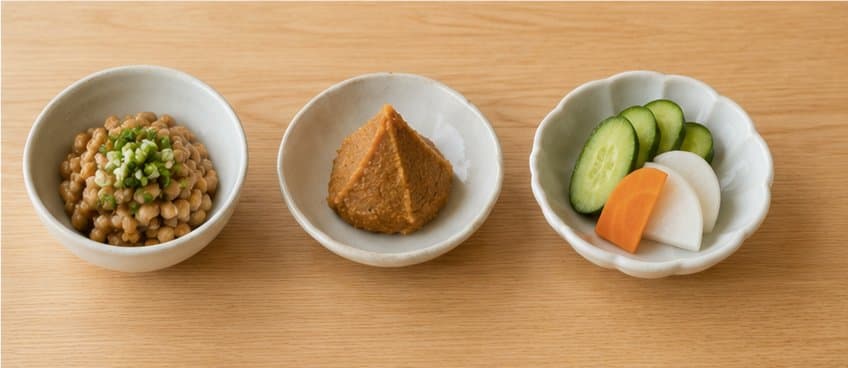
Natto (fermented soybeans) is one of the most distinctly Japanese foods - beloved by many, challenging for others. Japanese mothers introduce natto from around 7-8 months because it is one of the most nutritious foods available: rich in protein, vitamin K2, probiotics, and nattokinase. While its sticky texture and pungent smell surprise Western parents, babies raised in Japan accept it naturally. Combining natto with avocado is a modern Japanese baby food technique that softens natto's flavor and creates an irresistibly creamy texture. This pairing is popular with Japanese mothers who blog about baby food (rinyushoku) as one of the easiest ways to get babies to accept natto.
Japan's superfood fermented soybean (natto) blended with creamy avocado - a uniquely Japanese take on baby food that packs protein, healthy fats, and probiotics in every bite.
Ingredients
- 1 pack (40g) natto (fermented soybeans) - use hikiwari (finely ground) style if available
- 1/4 ripe avocado
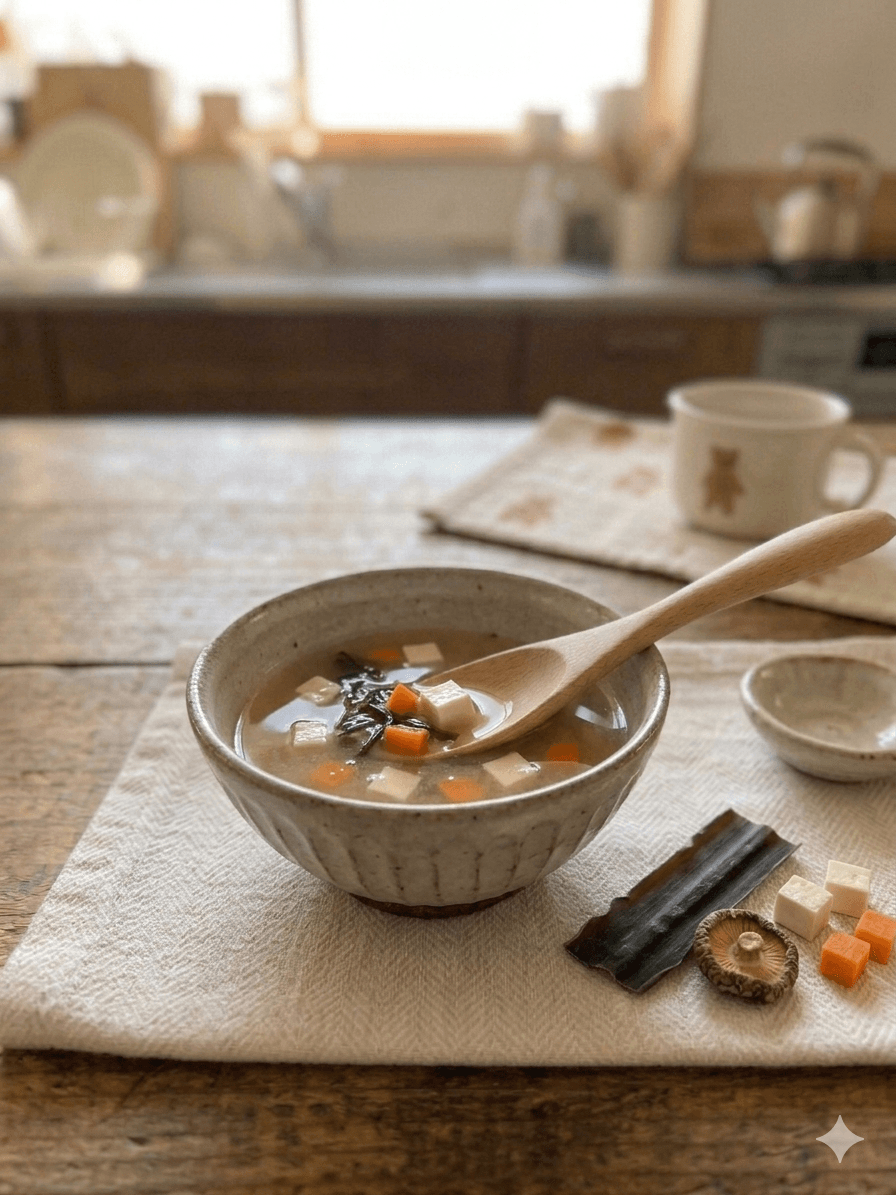
- 1-2 teaspoons kombu dashi or water (to adjust consistency)
Ingredient Substitutions
Can't find Japanese ingredients? Here are alternatives available at most supermarkets.
- Natto → edamame (boiled and mashed) for a milder soy option without fermented flavor
- Avocado → mashed banana for sweetness, or mashed tofu for similar creaminess
- Hikiwari natto → regular natto mashed thoroughly with a fork
Instructions
- 01If using regular natto (whole beans), rinse briefly under warm water to remove the strong fermented smell, then pat dry.
- 02Mash the natto with a fork until the beans are broken down into small pieces. The stickier, the better.
- 03Scoop out the avocado flesh and mash until smooth.
- 04Combine natto and avocado, mixing well.
- 05Add a small amount of dashi or water if needed to adjust to baby's preferred consistency.
- 06Serve immediately, as avocado browns quickly.
- 07A small portion (1-2 teaspoons) is enough for introduction.
Tips from a Dietitian Mom
- Hikiwari natto (finely chopped natto) is much easier for babies than whole bean natto - look for it at Japanese grocery stores.
- The sticky strings (polyglutamic acid) in natto are completely safe and actually beneficial.
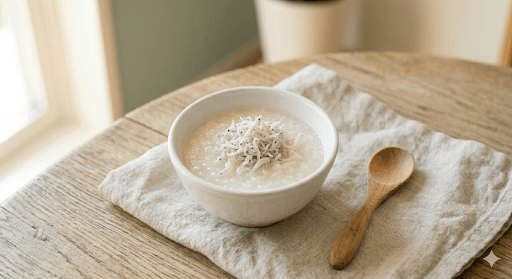
- If baby resists the smell, try mixing a tiny amount into rice porridge first.
- As a dietitian, I consider natto one of the most nutritious foods in the world - vitamin K2 for bone health, probiotics for gut health, all in one.
Storage & Freezing
Serve immediately after preparing. Avocado browns within hours; store any leftovers with plastic wrap pressed directly onto the surface. Do not freeze - both natto texture and avocado deteriorate significantly when frozen.
Nutrition Facts
Per serving (approximate)
Frequently Asked Questions
- My baby refuses natto. How can I make it more appealing?
- Start with a very tiny amount - just a few beans mixed into familiar okayu or a vegetable they love. The key is gradual exposure. Japanese research shows babies who are repeatedly exposed to natto (even in tiny amounts) often come to enjoy it by toddlerhood.
- Is natto sold outside Japan?
- Yes - natto can be found in the frozen section of Japanese and Korean grocery stores worldwide. It comes in small individual packs. Once thawed, it keeps in the refrigerator for about a week. Look for hikiwari (ground) style for babies.
- I have heard natto smells bad. Is it safe?
- The strong smell is from the Bacillus subtilis fermentation - completely safe and actually beneficial. The smell is much milder when mixed with avocado or rice. If the smell is very strong or the natto is slimy in an unusual way (not just sticky), check the expiration date.
Free Baby Food Starter Guide
Get our free PDF guide to starting solids the Japanese way, plus weekly recipes and nutrition tips for your little one.