Miso Soup for Babies (Mild & Nutritious)
Allergen Information
Miso soup is served at almost every Japanese meal, and babies get their first taste around 7-8 months. The key difference for baby miso soup is using much less miso than adult portions - about 1/3 to 1/4 the normal amount - to keep sodium low while still introducing that characteristic umami flavor. Japanese mothers believe early exposure to miso soup helps babies develop a lifelong appreciation for traditional Japanese cuisine. The warm broth with soft vegetables is also excellent for babies who are teething.
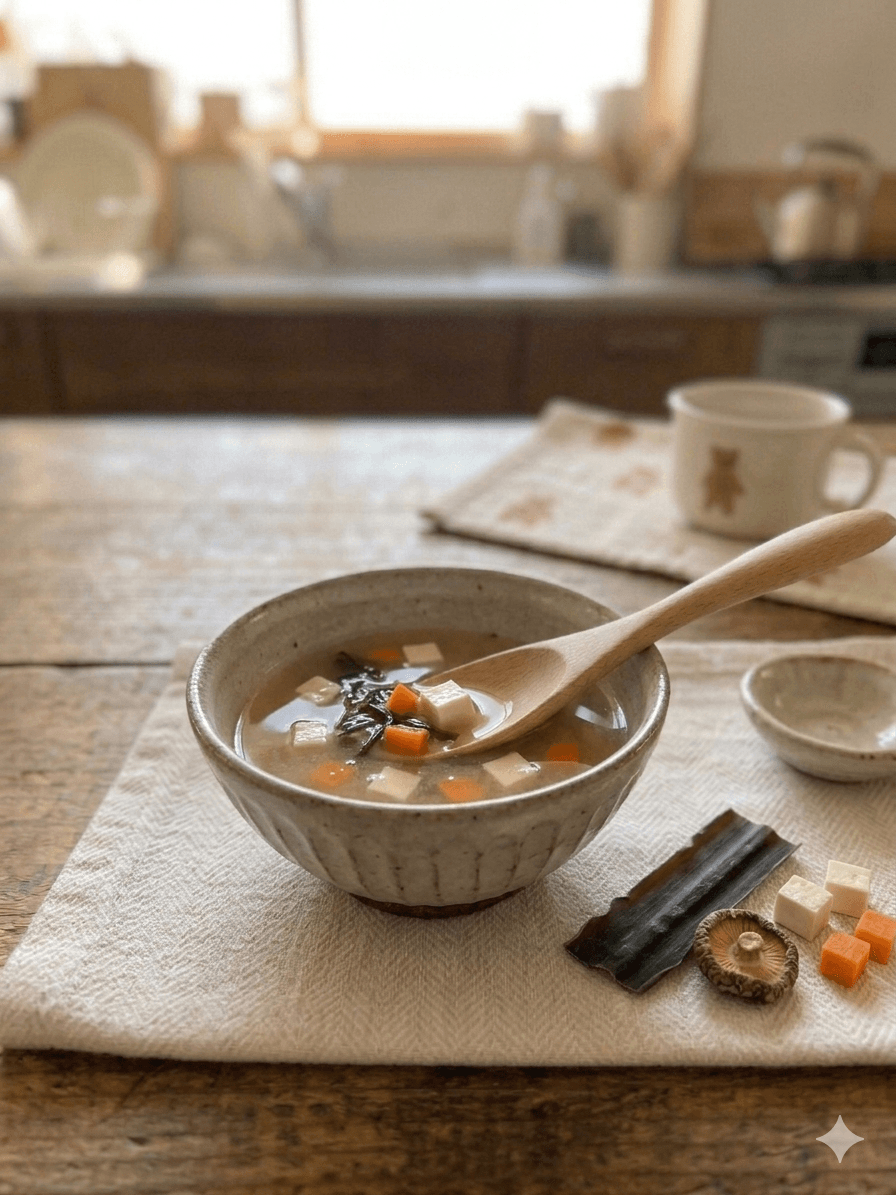
A baby-friendly version of Japan's most beloved soup - made with homemade dashi, a tiny amount of miso, and soft vegetables. An introduction to umami that babies adore.
Ingredients
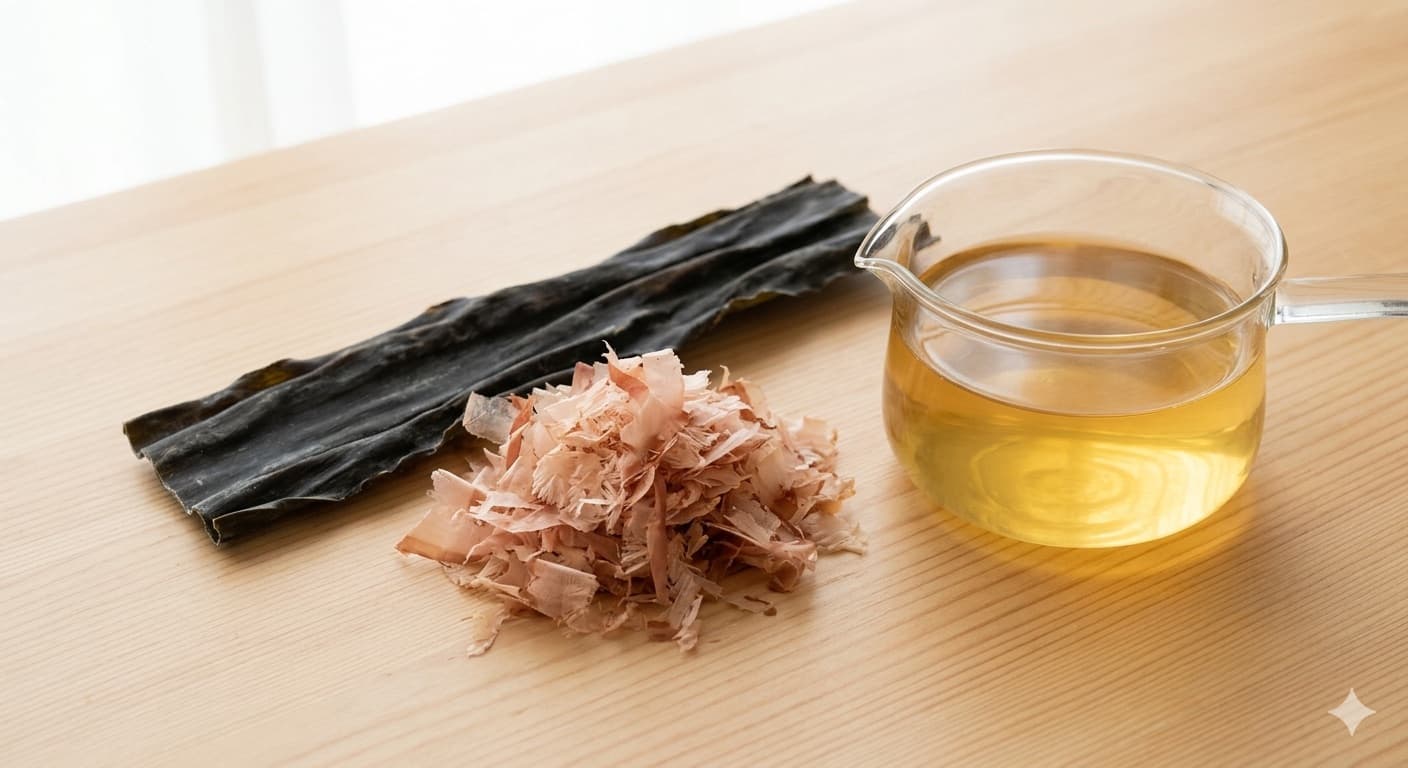
- 1 cup (240ml) dashi stock (kombu + bonito)
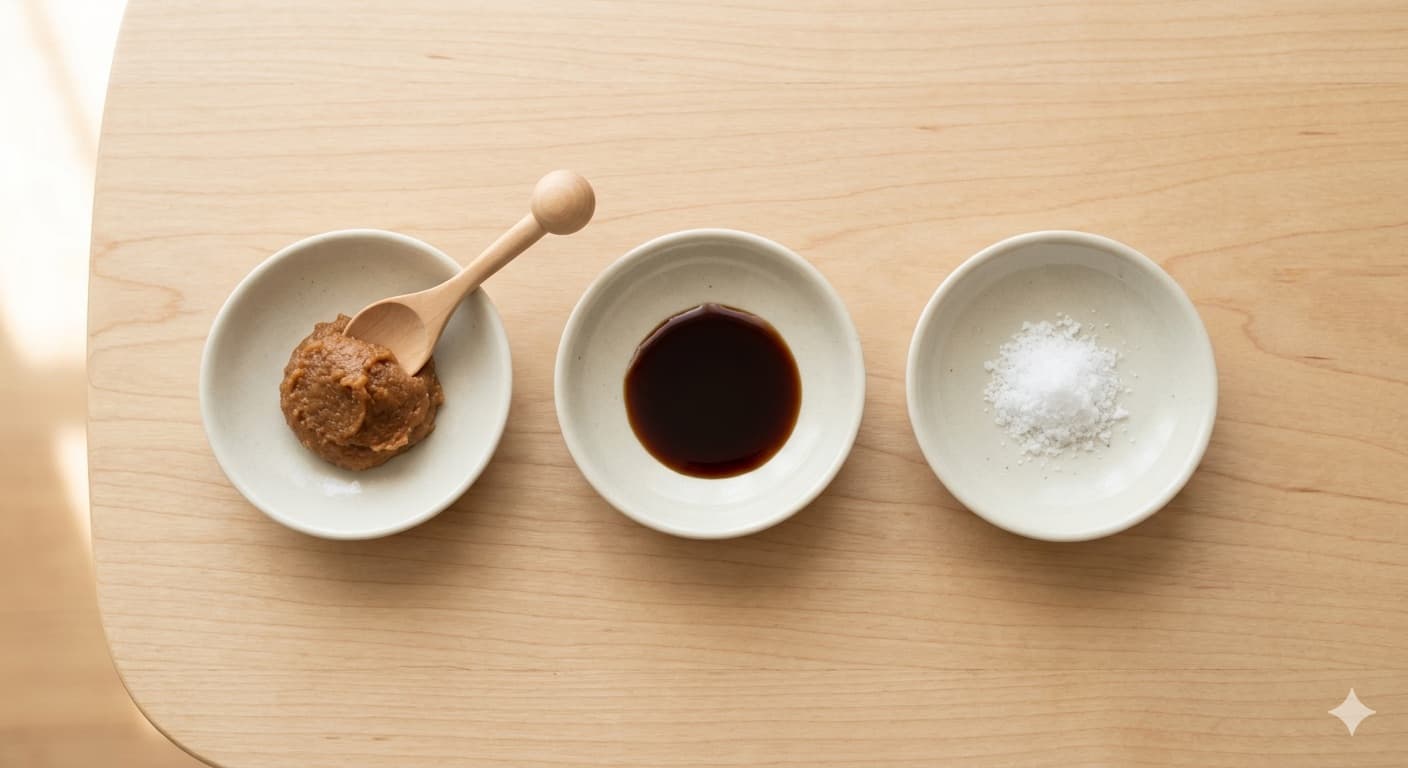
- 1/2 teaspoon miso paste (use less than adult amount)
- 20g silken tofu, cut into tiny cubes
- 1 tablespoon finely diced carrot
- 1 tablespoon finely chopped wakame seaweed (optional)
Ingredient Substitutions
Can't find Japanese ingredients? Here are alternatives available at most supermarkets.
- Miso paste → any mild (white/shiro) miso is best for babies; avoid red/aka miso which is stronger
- Dashi → low-sodium vegetable broth for a fish-free version
- Wakame → omit if unavailable; add finely chopped spinach instead
- Silken tofu → omit if avoiding soy; add extra soft vegetables
Instructions
- 01Bring dashi stock to a gentle simmer in a small pot.
- 02Add the diced carrot and cook until very soft, about 5-7 minutes.
- 03Add the tofu cubes and wakame (if using) and cook for 2 more minutes.
- 04Remove from heat. Dissolve miso paste in a small amount of the warm broth, then stir back into the pot.
- 05For 7-month-olds, mash the vegetables lightly with a fork. For 8-month-olds, leave small soft pieces.
- 06Serve warm (not hot). The broth should taste very mild - barely salty to an adult palate.
Tips from a Dietitian Mom
- Never boil miso - it kills the beneficial probiotics and makes the flavor harsh.
- Use about 1/4 of the miso you would use for adult soup. Baby's kidneys cannot process much sodium.
- As a dietitian, I recommend this as a wonderful way to introduce fermented foods to babies.
- Wakame is optional but adds minerals. Chop it very finely for this age group.
Storage & Freezing
Best served fresh. Miso soup does not freeze well. The broth (without miso) can be refrigerated for 24 hours - add miso just before serving.
Nutrition Facts
Per serving (approximate)
Frequently Asked Questions
- Is miso safe for babies?
- Yes, in small amounts. Miso is a fermented soybean paste rich in probiotics. For babies, use about 1/4 of the adult amount to keep sodium low. Most Japanese pediatricians recommend introducing miso around 7-8 months.
- What kind of miso is best for babies?
- White miso (shiro miso) is best - it's the mildest and sweetest variety. Avoid red miso (aka miso) which is saltier and more intense. You can find white miso at most supermarkets in the refrigerated Asian foods section.
- How is baby miso soup different from regular miso soup?
- Baby miso soup uses much less miso (about 1/4 of normal), the vegetables are cut very small and cooked until extremely soft, and no salt or other seasonings are added. The result should taste very mild to an adult.
Free Baby Food Starter Guide
Get our free PDF guide to starting solids the Japanese way, plus weekly recipes and nutrition tips for your little one.