Sanma no Tsumire-ni (Pacific Saury Fish Dumplings)
Allergen Information
Sanma (Pacific saury) is the fish of Japanese autumn, appearing in countless haiku, paintings, and dinner tables when the cool weather arrives. Its arrival at the market is celebrated much like cherry blossoms in spring - a seasonal moment that Japanese families cherish. For babies, sanma is excellent because it is oily, rich in DHA, and very soft when cooked. Making tsumire (fish dumplings) allows Japanese mothers to serve sanma in a texture perfect for 9-11 month olds who are learning to chew. The simple dashi simmering liquid adds just enough flavor to make this feel like a proper Japanese meal.
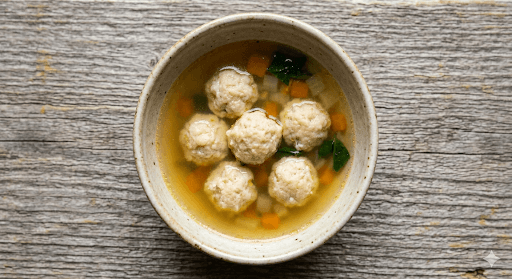
Soft fish dumplings made from Pacific saury (sanma) simmered in gentle dashi - a seasonal autumn dish that introduces babies to one of Japan's most iconic fish.
Ingredients
- 80g sanma (Pacific saury) fillet, skin and all bones removed
- 1 teaspoon katakuriko (potato starch) or cornstarch
- 1 teaspoon beaten egg
- 1 cup (240ml) dashi stock
- 1/4 teaspoon soy sauce (optional)
- 1 tablespoon finely grated daikon (optional, for garnish)
Ingredient Substitutions
Can't find Japanese ingredients? Here are alternatives available at most supermarkets.
- Sanma → mackerel (saba), sardine, or any oily fish fillet
- Katakuriko → cornstarch or all-purpose flour
- Dashi → low-sodium fish or vegetable broth
- Egg → omit for egg-free version; add a little extra starch to bind
Instructions
- 01Remove all bones from the sanma fillet carefully. Run your fingers along the flesh multiple times.
- 02Finely mince the fish with a knife until it forms a paste, or pulse in a food processor.
- 03Combine minced fish with potato starch and beaten egg. Mix until sticky and combined.
- 04Bring dashi stock to a gentle simmer in a small pot.
- 05Using wet hands or two wet spoons, form small dumplings (about 2cm) and drop directly into simmering dashi.
- 06Simmer gently for 5-7 minutes until fish dumplings float and are cooked through.
- 07Add a tiny drop of soy sauce to the broth if desired. Serve dumplings with broth.
Tips from a Dietitian Mom
- If sanma is unavailable, mackerel (saba) or sardines work equally well for this recipe.
- The potato starch binds the dumplings and creates a soft, springy texture babies love.
- Check for bones obsessively - this is the most important step with any fish recipe.
- Sanma is an oily fish rich in DHA and EPA - excellent for brain and eye development at this critical stage.
Storage & Freezing
Refrigerate fish dumplings in broth for up to 24 hours. Can be frozen for up to 2 weeks - freeze in the broth to maintain moisture. Thaw in the refrigerator and reheat gently.
Nutrition Facts
Per serving (approximate)
Frequently Asked Questions
- What is sanma and where can I find it?
- Sanma (Pacific saury) is a slender silvery fish popular in East Asian cooking. Find it fresh in autumn at Japanese fish markets, or frozen year-round at Asian grocery stores. It is also sold canned - canned sanma (without sauce) can be used in this recipe.
- My fish dumplings fell apart. What happened?
- The fish likely needed more mixing to develop a sticky paste, or needed more starch. Try mincing the fish more finely and adding an extra pinch of starch. Drop the dumplings into gently simmering (not boiling) broth - vigorous boiling breaks them apart.
- How do I make sure the fish dumplings have no bones?
- Mincing the sanma into a smooth paste is itself the safeguard - as you mince, work through the flesh and remove every bone you find, including the fine ones. Sanma has small bones, so take your time; forming the fish into tsumire (dumplings) is the safest way to serve oily fish to a baby.
- Can I use a different fish for the tsumire?
- Yes. Other soft oily fish such as sardine (iwashi) or mackerel work well and are similarly rich in DHA. Choose fresh fish, remove skin and bones carefully, and introduce any new fish on its own for a couple of days to watch for a reaction.
Free Baby Food Starter Guide
Get our free PDF guide to starting solids the Japanese way, plus weekly recipes and nutrition tips for your little one.